They’re taking the wheel. The first titles in the Women on the Road section
For decades, American road movies relegated women to the passenger seat. The Women on the Road section at the 17th TAURON American Film Festival brings together films in which the keys change hands. Today, we’re marking our shared route with the first three signposts. They span 37 years but head in the same direction: all three heroines are traveling west. And if you’re charting a course for Wrocław, here’s a reminder: festival passes and accreditations go on sale the day after tomorrow, Wednesday, September 9.
Who’s in the driver’s seat?
This edition’s theme is the road, because the road trip is the quintessential American experience: to visit the USA without driving across it is to see nothing at all. In cinema, everyone takes to the road – lovers fleeing the law, families with children, couples at odds and friends traveling together. In the Women on the Road section, we ask one simple question: who’s behind the wheel?
The answer has changed along with cinema itself. We begin in 1969 and follow filmmakers from Coppola to Scott as they portray America from the perspective of a woman behind the wheel – traveling alone or with another woman beside her to share the driving. From there, the section moves chronologically toward films in which women themselves tell the stories of women on the road.
The section is presented in partnership with the National Film Archive – Audiovisual Institute and curated by Kaja Klimek.
The first three stops
The Rain People, dir. Francis Ford Coppola, USA 1969, 101’
Natalie goes out one morning to buy the paper and never comes back (we love women in male-dominated fields). She leaves her husband a message, gets into the family station wagon and heads west with no route and no plan—but with a pregnancy she hasn’t told anyone about yet. Along the way, she picks up a hitchhiker, a former college football player with a brain injury (James Caan), and begins taking care of him, even though taking care of anyone is precisely what she is running away from.
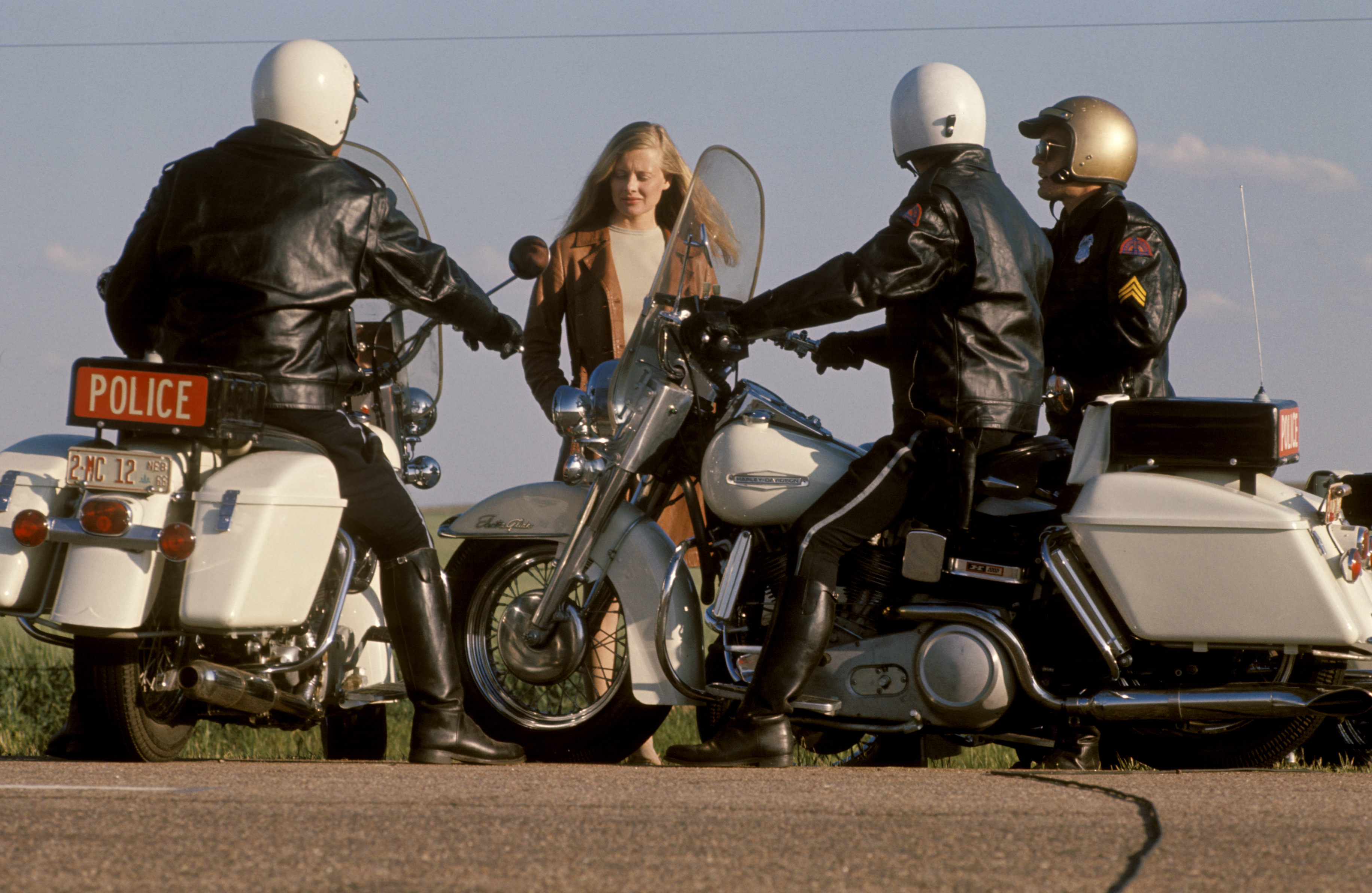
Coppola was not yet thirty when he made The Rain People, three years before his breakthrough with The Godfather. He assembled a ten-person crew, embarked on a five-month journey across eighteen states and filmed along the way, arguing with the studio over the phone.
The result is a film now regarded as one of the earliest feminist works in American cinema—and one of the least frequently revived titles in the director’s filmography.
Thelma & Louise, dir. Ridley Scott, USA, UK, France 1991, 129’
Thelma (Geena Davis) is married to a carpet salesman who treats her like an overgrown child with no mind of her own. Louise (Susan Sarandon) works as a waitress and has spent years waiting for her boyfriend to make up his mind about anything. They set off for a weekend at a rented cabin in the mountains, stopping for a drink at a roadside bar along the way. As you might imagine, after that stop there’s nothing left to go back to.
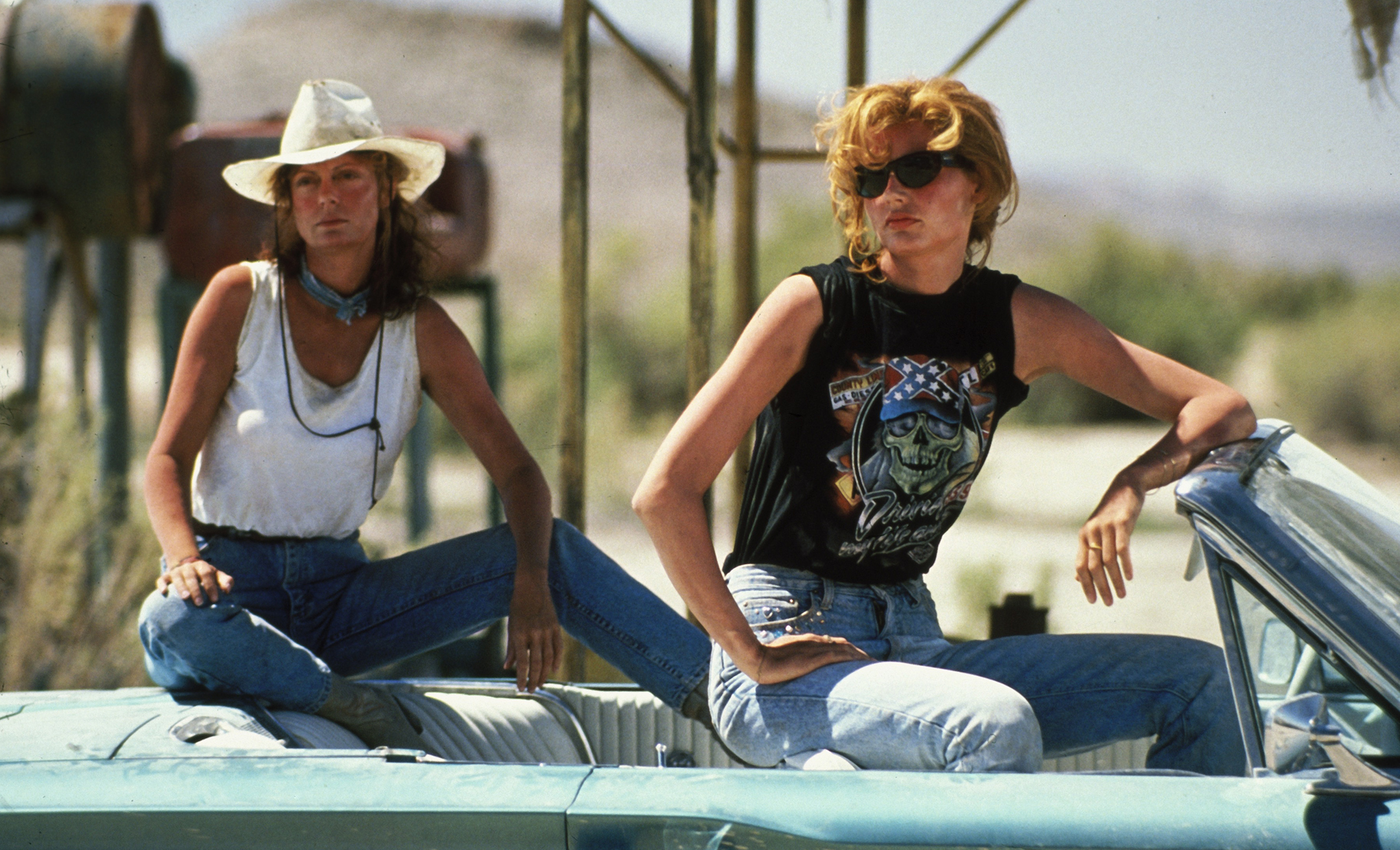
Callie Khouri wrote the screenplay at night in a rented office on Vine Street, during breaks from her work on music videos. It was the first screenplay she had ever written—and it promptly won her an Oscar—while the film sparked a summer of controversy: Time put Geena Davis on its cover and asked why two women in a convertible were getting under America’s skin. Today, 35 years later, it’s worth seeing on the big screen exactly what it was that made America so uncomfortable back then.
Little Miss Sunshine, dir. Jonathan Dayton, Valerie Faris, USA 2006, 102’
Seven-year-old Olive makes it to the finals of a California beauty pageant, so the Hoovers pile into a yellow Volkswagen—the kind that needs a push to get going—and travel eight hundred miles from Albuquerque with the entire family, including her father, with his self-designed winning program two decades ahead of today’s coaching culture (Greg Kinnear); her silent brother Dwayne (Paul Dano in full emo mode); Grandpa (Alan Arkin), with a repertoire of advice that earned the actor an Oscar; and Uncle Frank—Steve Carell, one year after The 40-Year-Old Virgin, cast completely against type.
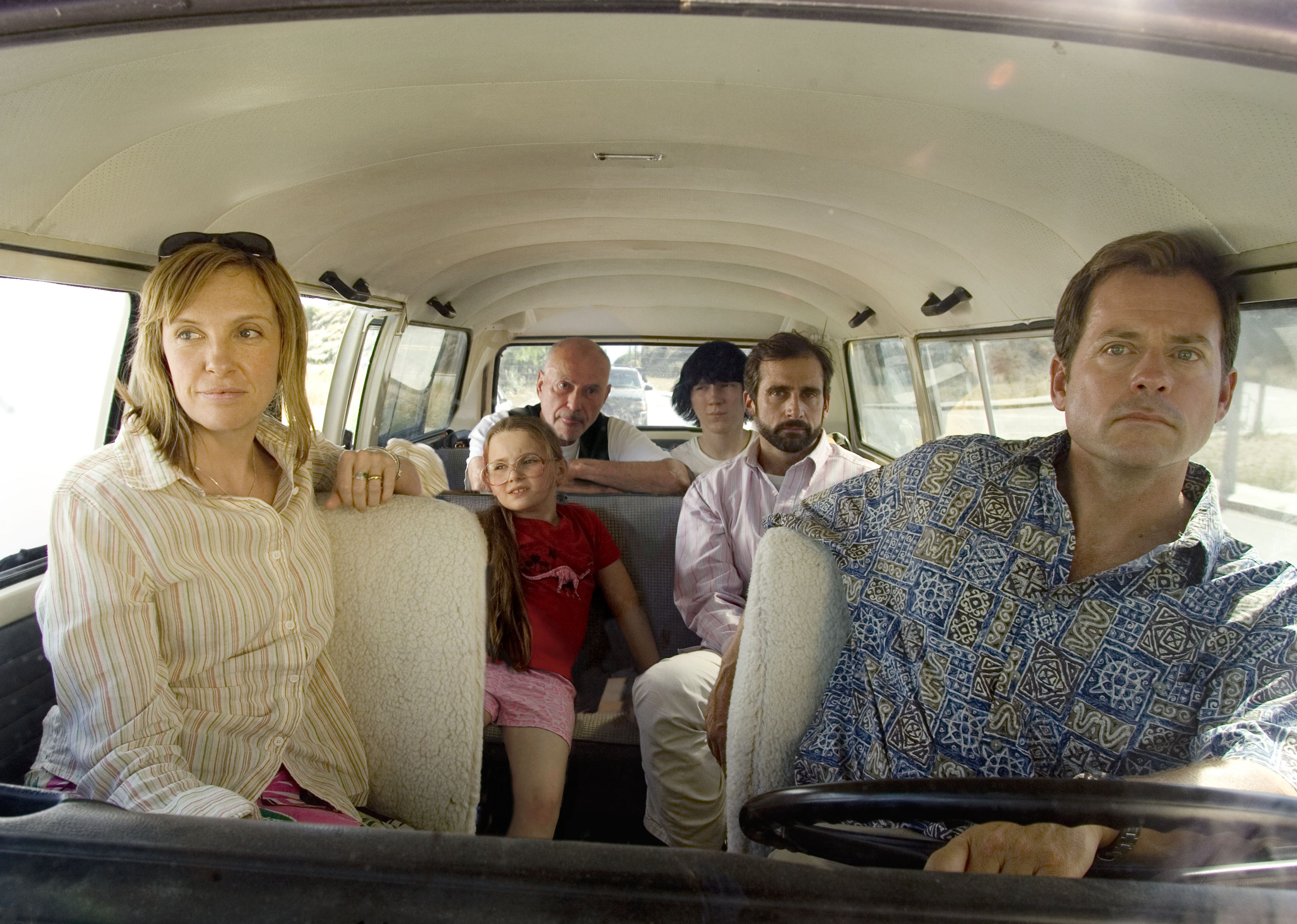
Olive sets the course, while Toni Collette keeps the car moving: a mother on the verge of breaking point, played with such precision that twelve years later Ari Aster cast her in Hereditary in essentially the same role, only dialed all the way up. There’s no need for demons here—the family alone is more than enough.
The 17th TAURON American Film Festival will take place November 17–22, 2026, at New Horizons Cinema in Wrocław. The online edition, available on the New Horizons VOD platform, will run from November 17 to December 6. Passes and accreditations go on sale September 9 at noon.

