Document check. Introducing the Who They Are section
“License and registration, please”—anyone who has ever been pulled over has heard those words. In the US, they come with a long history: who gets stopped and what questions they are asked has rarely been a matter of chance. In the Who They Are section at the 17th TAURON American Film Festival, we interpret the document check our own way, presenting four documentaries about American identity—which has always existed in the plural.
A festival pass or accreditation is all you need to clear the checkpoint at the door to the screening room. They are available through October 31, while individual tickets will go on sale November 5, two days after the full program is announced. The festival will take place November 17–22 at New Horizons Cinema in Wrocław, and from November 17 to December 6 you’ll also be able to bring the AFF into your home with the online edition on the New Horizons VOD platform.
Apply for industry accreditation
American Pachuco: The Legend of Luis Valdez, dir. David Alvarado, USA 2026, 92'
David Alvarado’s film, winner of the Audience Award: U.S. Documentary at Sundance, has a narrator unlike any you’ll find in a respectable television biopic. He is a pachuco: a young man from a Mexican neighborhood of 1940s Los Angeles, with a chain hanging down to his knees and a suit several sizes too big. He tells the story of an artist who rose from the margins of American society. Luis Valdez started out as a migrant farmworker and went on to transform American culture. In the 1960s, El Teatro Campesino, the company he founded, performed on flatbed trucks and helped mobilize farmworkers, who went on to win their first union contract. His Zoot Suit became the first Chicano play on Broadway, “Chicano” meaning Mexican American. Critics buried the production, but Valdez refused to give up and made La Bamba. The film became a hit and showed the world the life of a Mexican American family without distortion. El Teatro Campesino has now been active for sixty years and remains a touchstone for Latino artists. This is the story of an artist who stood up for the overlooked and blazed a trail for the generations that followed.
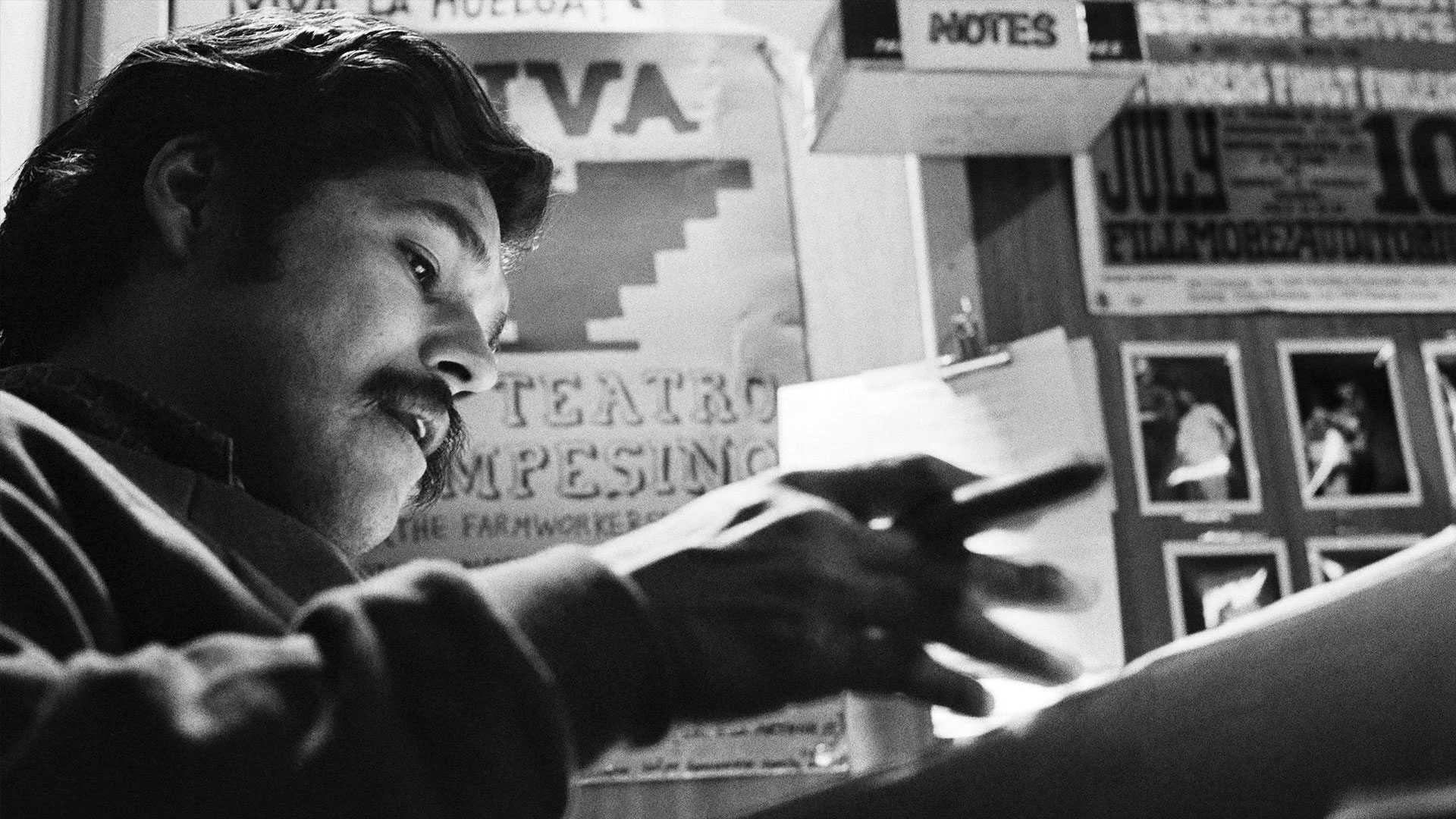
American Pachuco: The Legend of Luis Valdez, dir. David Alvarado
The Lorraine, dir. Sam Pollard, USA 2026, 84'
Most of us know the Lorraine Motel in Memphis from a single image: the balcony outside Room 306, where Martin Luther King Jr. was assassinated on April 4, 1968. That gunshot split the history of the place in two, and the world forgot everything that came before. Sam Pollard returns to that first half. Walter and Loree Bailey were among the few Black motel owners in the city at the time. During segregation, their Lorraine was a safe stop for African American travelers, who looked for addresses like this in the Green Book. Stax musicians stayed there. Steve Cropper and Wilson Pickett wrote “In the Midnight Hour” in one of its rooms, and civil rights activists planned their next demonstrations there. Pollard pieces this picture together from archival footage and the stories of people who knew the place, and he sets it all to Memphis soul. The result is, against all appearances, a timely and surprisingly joyful film.
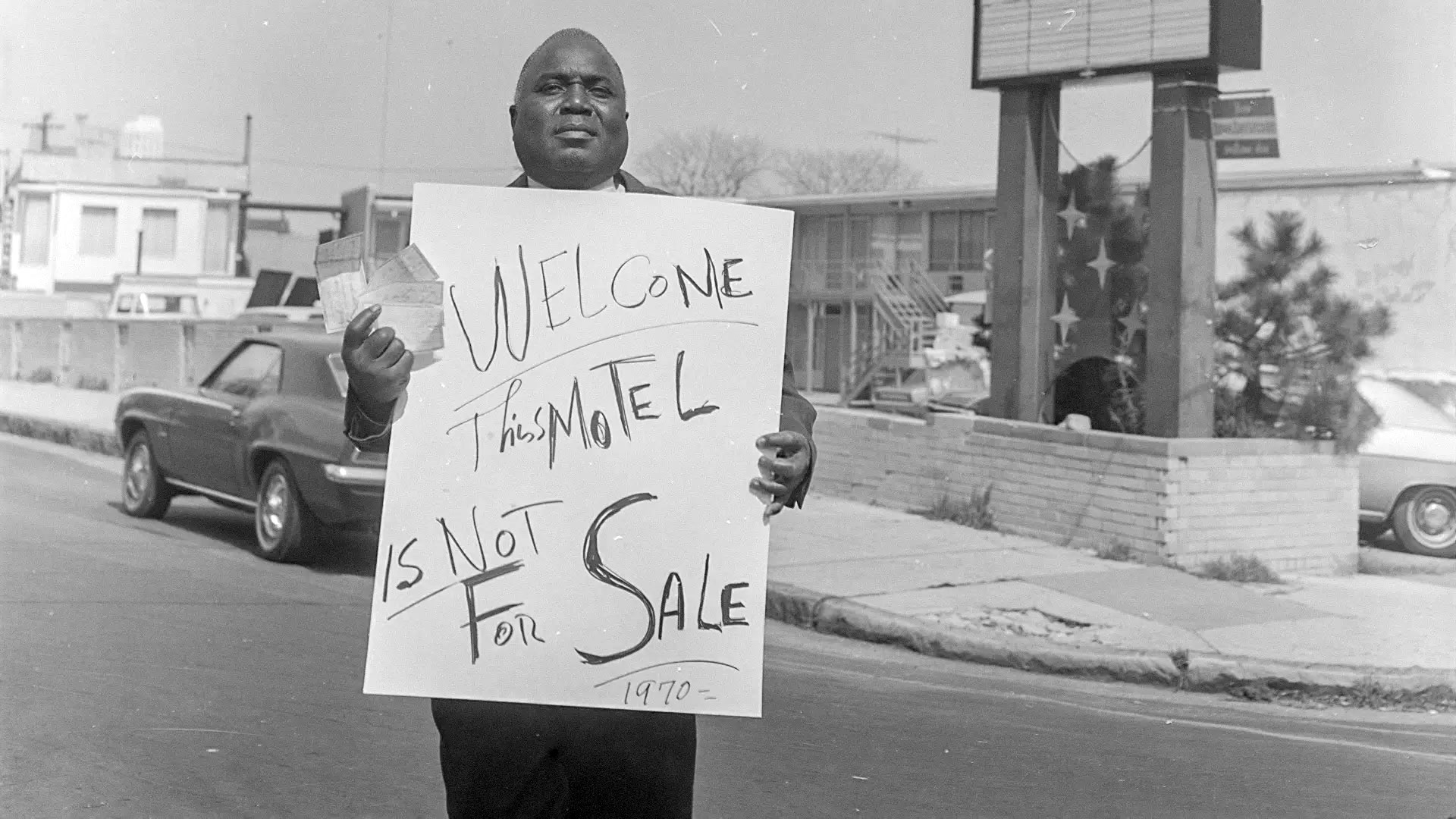
The Lorraine, dir. Sam Pollard
March Forth, dir. Robe Imbriano, Valerie Hong, USA 2026, 95'
March 4 is the only date in English that sounds like a command: march forth. On that day in 2005, Reginald Dwayne Betts walked out of prison. He had been sent there at sixteen for armed robbery. It was the mid-1990s, and politicians were stoking fears of “superpredators,” so the court treated a Black teenager as an adult. Behind bars, he began writing poetry. Ever since, he has been trying to reconcile the boy he was with the man he has become: an award-winning poet and a Yale-educated lawyer. Robe Imbriano and Valerie Hong’s film is half autobiography, half performance, with excerpts from Betts’s memoir and poems read by Brian Tyree Henry.
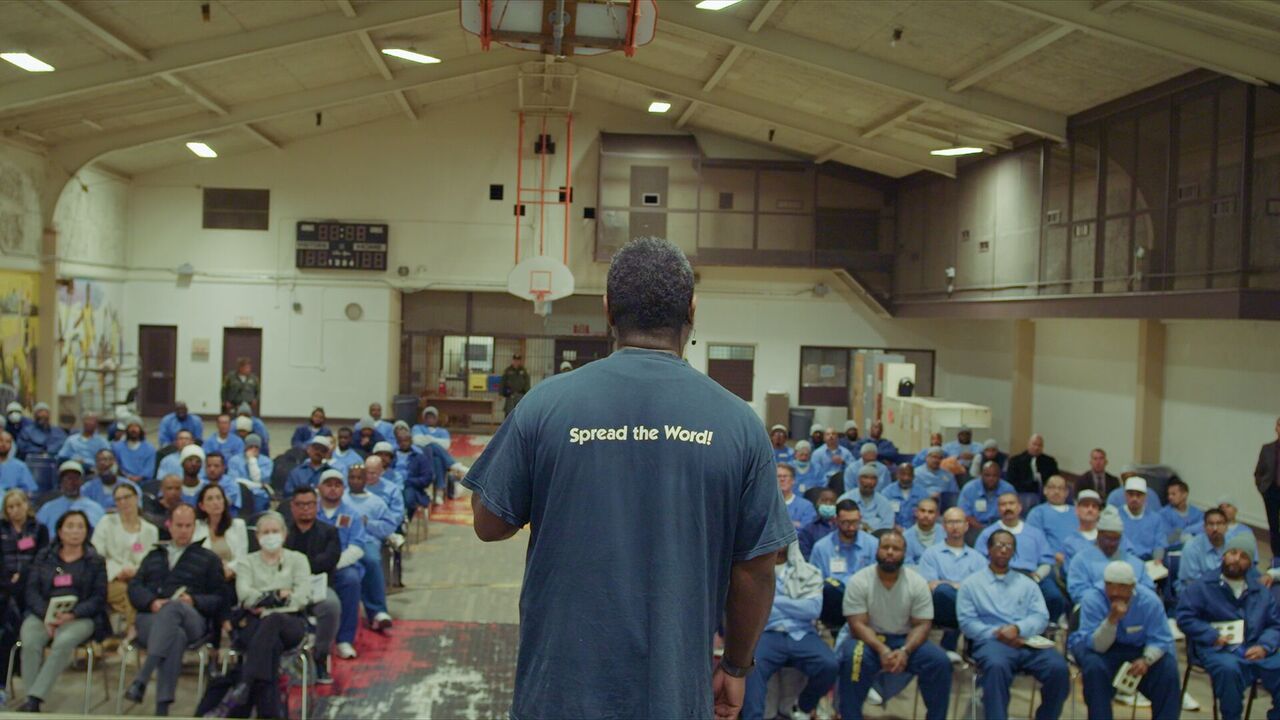
March Forth, dir. Robe Imbriano, Valerie Hong
Once Upon a Time in Harlem, dir. William Greaves, David Greaves, USA 2026, 100'
This lineup would not be complete without a film honored at our own TAURON New Horizons International Film Festival. In July, the International Competition jury gave it a Special Mention “for a one-of-a-kind work.”
More than a decade after the death of William Greaves, a filmmaker who recognized no genre boundaries, we receive a surprising epilogue to his work. In 1972, Greaves invited leading figures of the Harlem Renaissance to Duke Ellington’s home and filmed the legendary gathering. It was both a tribute to the groundbreaking African American cultural movement of the 1920s and a reconsideration of its meaning. A living archive of the era gathered in one room: writers, actors, musicians, librarians, intellectuals, teachers, and activists who made Harlem a capital of imagination, creativity, and cultural ambition. For several hours this remarkable group, many of them meeting for the first time in half a century, evokes the past, debates the present, laughs, drinks, and reflects on the meaning of their shared legacy in a changing world. The film is co-directed by David Greaves, William’s son and one of the camera operators present that day in Ellington’s apartment. Once Upon a Time in Harlem is an elegantly composed record of a gathering that could only happen once, and a luminous fragment of American history.
Dorota Lech
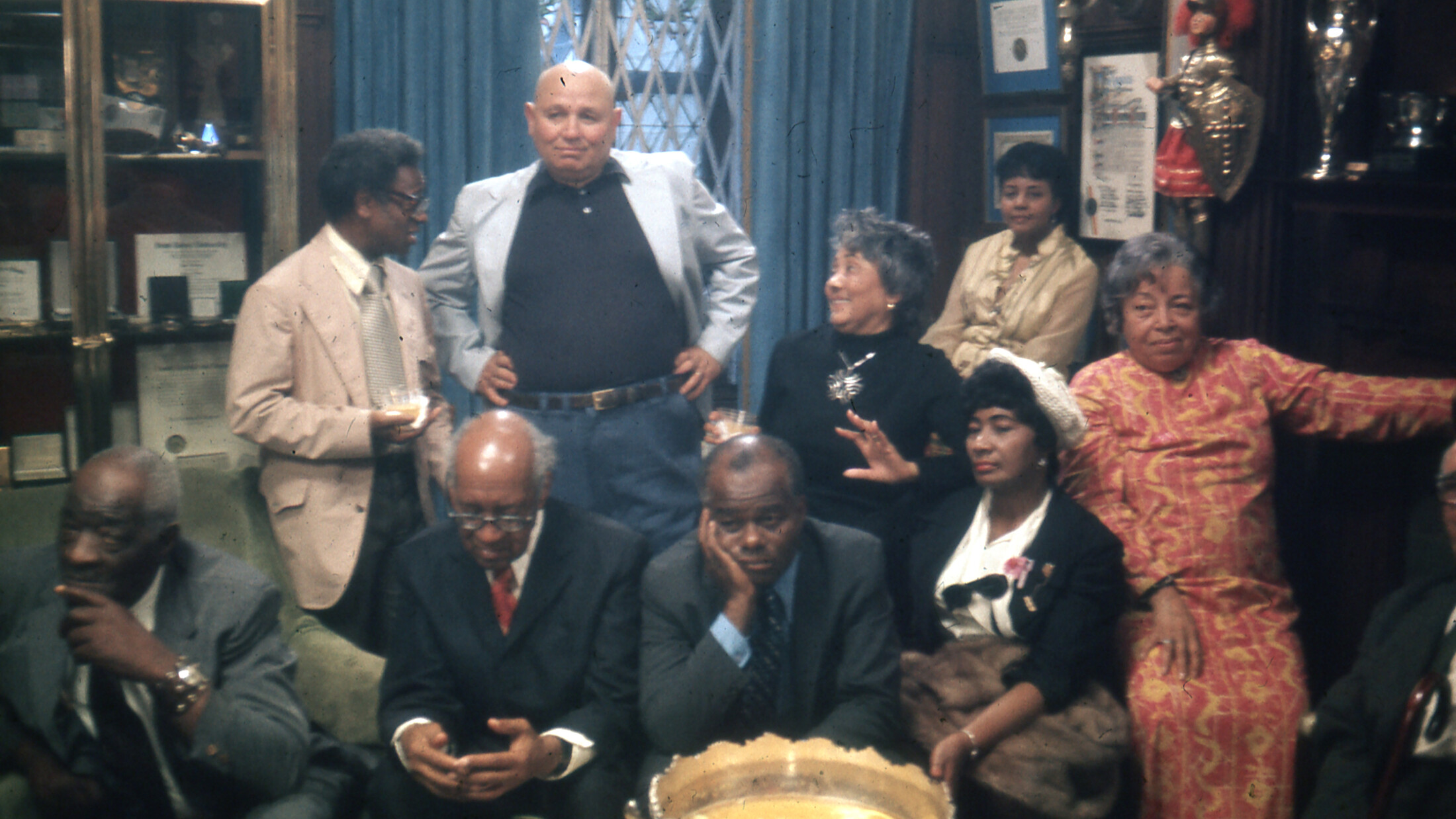
Once Upon a Time in Harlem, dir. William Greaves, David Greaves
