Krótkie dokumenty o sztuce i filmie
Zebrane w tegorocznej odsłonie Dokumentów o sztuce i filmie krótkie metraże są jak wypiski z prywatnej korespondencji z kinem i o kinie: od szczeniackich listów miłosnych, poprzez czułe pocztówki z przeszłości i fragmentaryczne notki z dnia codziennego, po trudny, ale konieczny rozrachunek-manifest. Ich twórców i twórczynie mogą dzielić preferencje dotyczące nośników i formatów, odmienne wrażliwości i estetyki oraz różne rozumienia polityczności – ale niewątpliwie tym, co ich łączy, jest bliski i głęboko osobisty stosunek do kina i telewizji. W tym różnorodnym, metafilmowym zestawie odbijają się w sobie różne punkty w czasie i przestrzeni – od powojennego Wietnamu, poprzez Los Angeles połowy lat 90., po współczesny Bejrut – ale i różne kina: Maria Schneider spotyka się tu z Davidem Hasselhoffem, niskobudżetowe westerny R. G. Springsteena stają się soundtrackiem codzienności, a uznany reżyser Francis Ford Coppola… nie umie jeść mango. Kino jest w tych filmach przede wszystkim miejscem spotkania: może być oknem, przez które da się zajrzeć do innego świata lub spojrzeć na własny z nowej, przesuniętej perspektywy, ale bywa też drzwiami, które pozwalają przejść na drugą stronę ekranu. Choć wrośnięte jest nierozerwalnie w tkankę życia twórców i twórczyń oraz również (współ)tworzących kino bohaterów i bohaterek – dla każdego i każdej z nich oznacza to coś zupełnie innego i wiąże się z innym podejściem do pytania o relację kina z rzeczywistością i rzeczywistości z kinem.
Po seansie 8.11 dyskusja o kinie amerykańskim z Portalem Imersja.
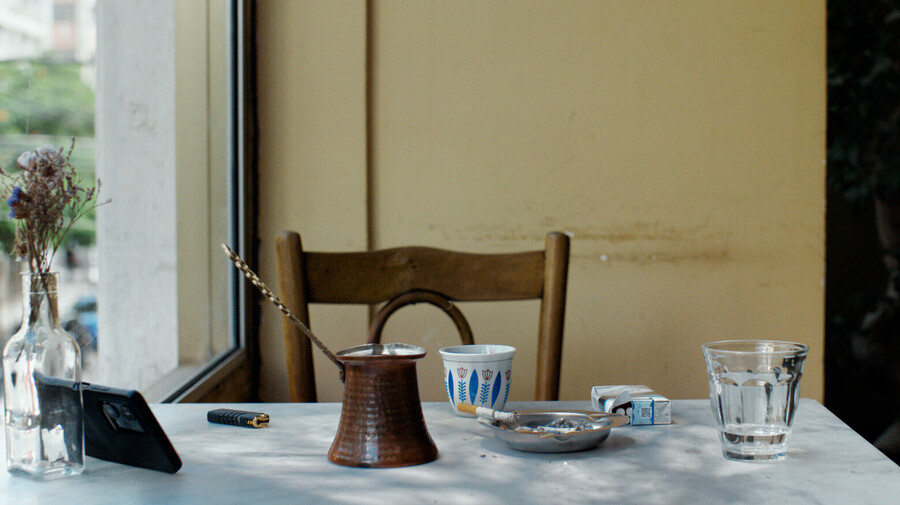
Manal Issa, 2024
Libańsko-francuska aktorka Manal Issa bierze udział w rozmowie wzorowanej na wywiadzie, jaki Maria Schneider udzieliła w 1983 roku francuskiej telewizji. Bezkompromisowo odpowiada na trudne pytania o to, jak zmienia się rola i odpowiedzialność aktora w epoce globalnych konfliktów.
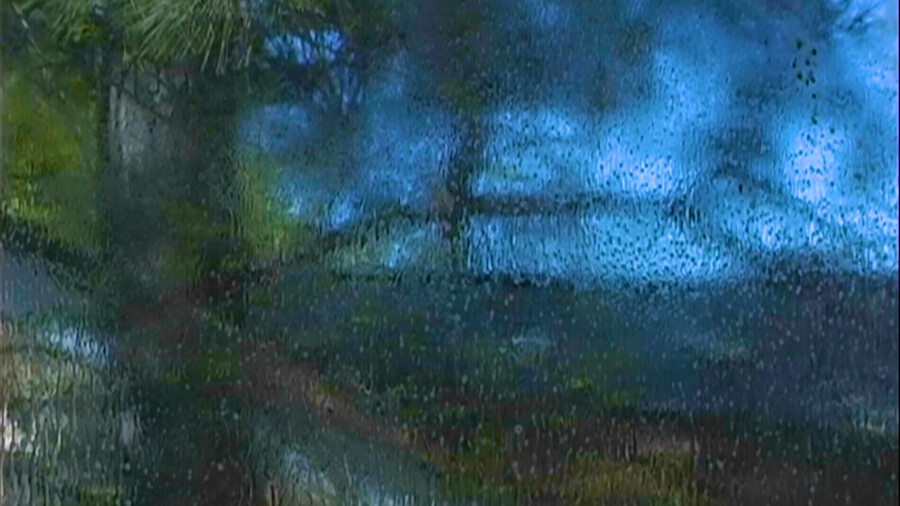
Oda do R.G. Springsteena
Poskładany z impresyjnych fragmentów prozaicznego życia film jest zarazem hołdem złożonym nieco zapomnianemu reżyserowi gatunkowych produkcji klasy B i serią kameralnych listów do przyjaciela, krytyka filmowego Benjamina Craisa. Niskobudżetowe kino jest ścieżką dźwiękową codzienności, a sam projekt stanowi próbę realizacji kinofilskiej fantazji o nierozerwalnym spleceniu życia i sztuki.
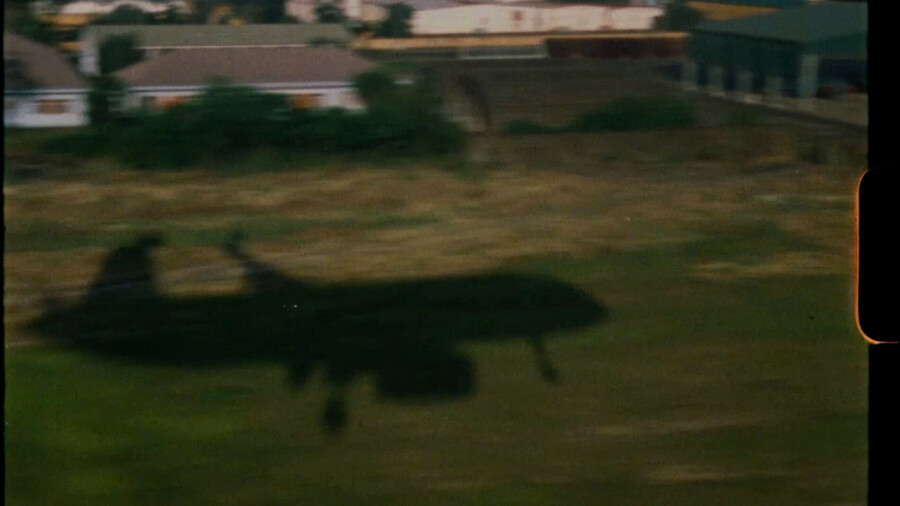
Byliśmy scenografią
Jak to się stało, że grupa imigrantów z powojennego Wietnamu trafiła z filipińskiego obozu dla uchodźców prosto na plan Czasu Apokalipsy Francisa Forda Coppoli? Cathy Linh Che wypytuje swoich rodziców o wspomnienia ze statystowania w amerykańskiej produkcji, o dziwne kulinarne zwyczaje reżysera, o opinie na temat skończonego dzieła oraz o to, czym jest dla nich prawda w kinie.
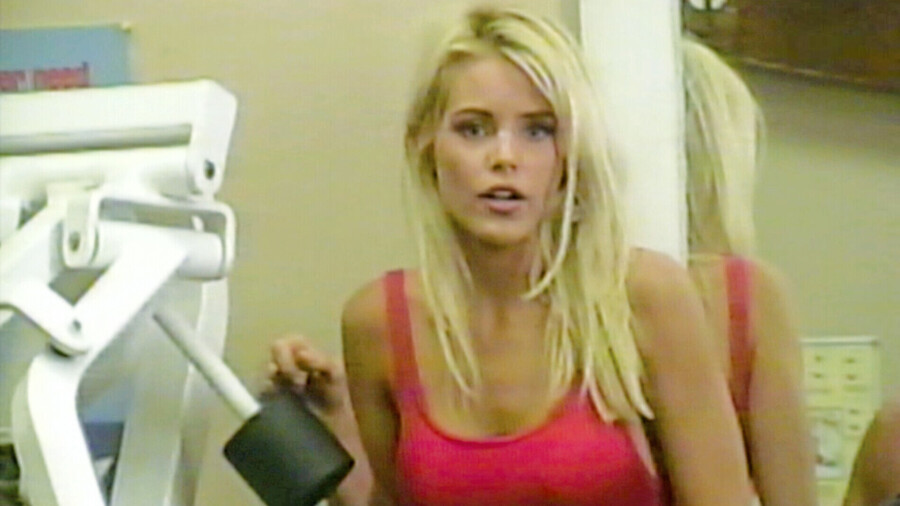
Uczestnik
Artysta wizualny i twórca filmowy Patrick Bresnan odnajduje amatorskie nagrania z roku 1996, kiedy jako młody chłopak wziął udział w konkursie organizowanym przez lokalną stację telewizyjną. Główną nagrodą była wizyta za kulisami jednego z najpopularniejszych seriali lat 90.: Słonecznego patrolu.

Wielka kasa. Manifest duchowy
Laureat Oscara i siedmiokrotny zdobywca Grammy, Jon Batiste, tworzy swój najbardziej osobisty album z legendarnym producentem No ID, przelewając w dzieło radość, niezgodę i refleksję nad dziedzictwem swojej kultury. Big Money: A Spiritual Manifesto to intymne spojrzenie na proces twórczy artysty, w którym amerykańska tradycja muzyczna spotyka się z ożywczą reinterpretacją.
materiał nadesłany
